
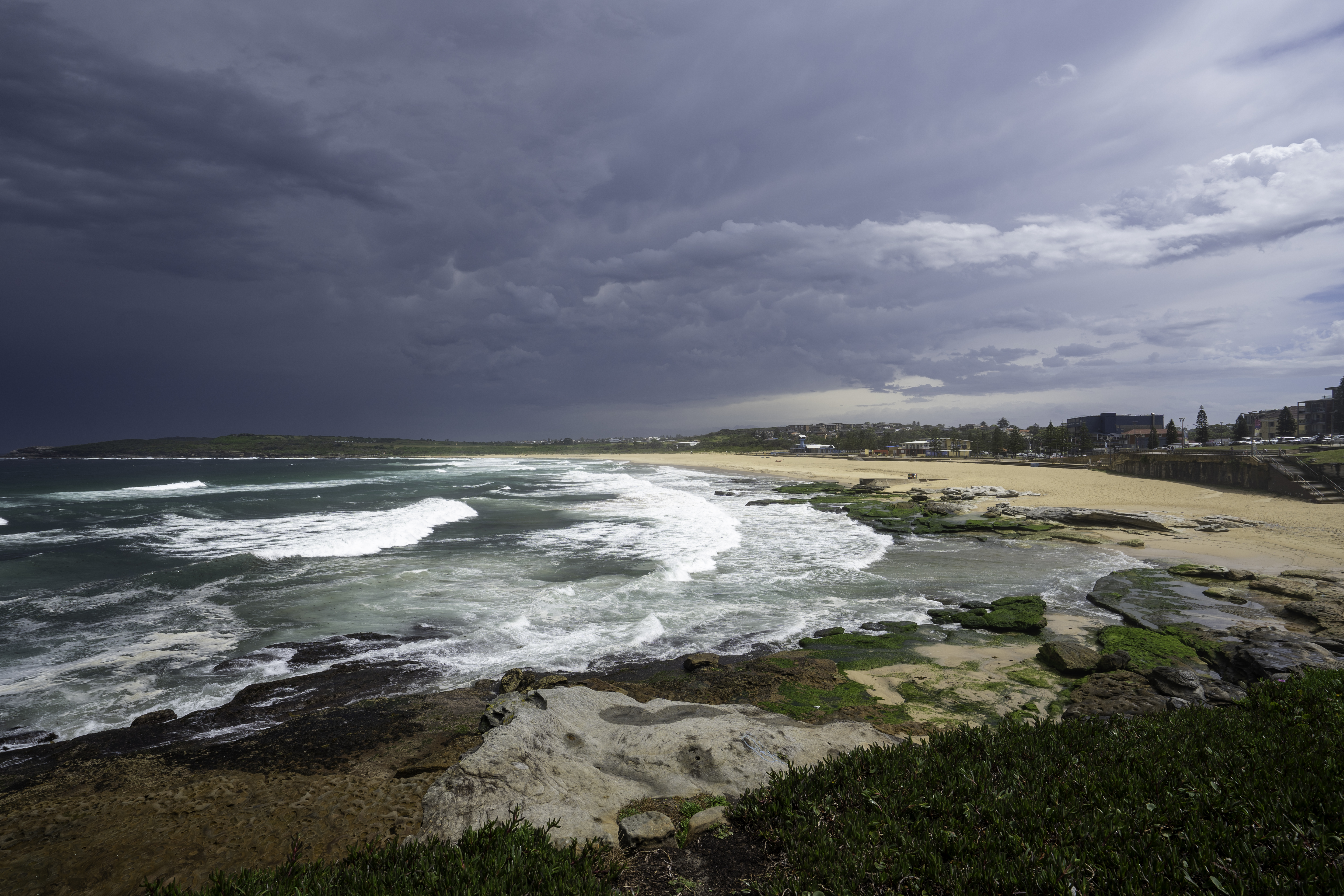
Australia’s unique climate and geography mean natural disasters are an unavoidable reality. Cyclones batter northern coastal regions, while bushfires threaten vast areas across the south and east and both can strike with little warning. As we release this article, communities across the country are already facing these threats.
Effective preparation is about taking a risk-based approach. This means identifying potential threats in your area, understanding how they could affect you, and developing targeted strategies to mitigate those risks. By taking a structured approach to preparedness, you can protect your home, your business, and the people you care about.
Understanding Your Risk Profile: The Foundation of Preparedness
Before you can create a practical disaster plan, you need to understand your specific risk profile. Every location, property, and business has unique vulnerabilities, and the first step is understanding which disasters are most likely to affect you.
Location matters. In northern Queensland and northern Western Australia, cyclones are a regular threat. In contrast, bushfire risk is highest in South-east Australia, South-west Australia, and Tasmania. Understanding your local risk is essential. Tools like online bushfire risk assessments or cyclone risk maps for Queensland can help you better understand your area’s exposure.
The type of building or business you operate also plays a key role. A large warehouse filled with inventory has different risks compared to a small office. A coastal home will need to be prepared for high winds, while a rural property might be more exposed to bushfires.
The strength of your building, the proximity to emergency services, and the reliability of your communication networks all contribute to your risk profile. These factors influence not only your chances of sustaining damage but also how easily you can respond when disaster strikes.
Finally, businesses should consider continuity planning. If a cyclone or bushfire affects your premises, how will you continue operating? Do you have off-site data backups, supply chain alternatives, and a staff communication plan? There are excellent Australian resources on business continuity planning for natural disasters, which are worth exploring.
Mitigating Risk: Proactive Steps to Protect Your Assets
Once you’ve assessed your risk, you can take proactive steps to reduce the potential impact of disasters. The goal isn’t to eliminate risk entirely, that’s often impossible, but to reduce the severity of damage and increase your resilience.
Cyclone Preparedness: Strengthening Against the Storm
Cyclones bring intense winds, heavy rainfall, and flooding, which can devastate homes and businesses. The following strategies can reduce your vulnerability:
- Building Resilience: Strengthen your building with impact-resistant windows, secure roofing, and tie-down systems. Don’t forget to secure outdoor items that could become dangerous projectiles in high winds.
- Emergency Supplies: Prepare a 72-hour emergency kit with food, water, medication, and essential supplies. Focus on supplies suited to coastal regions, where infrastructure damage may limit access to essentials.
- Evacuation Planning: Have a clear evacuation plan, including pre-identified safe locations and multiple escape routes in case some roads become impassable.
- Insurance Coverage: Ensure your insurance covers cyclone damage. Take time to read your policy’s inclusions and exclusions, and keep your insurer’s contact information handy for quick reference.
For additional guidance, search for “cyclone building codes Australia” and “cyclone emergency kit checklist Australia.”
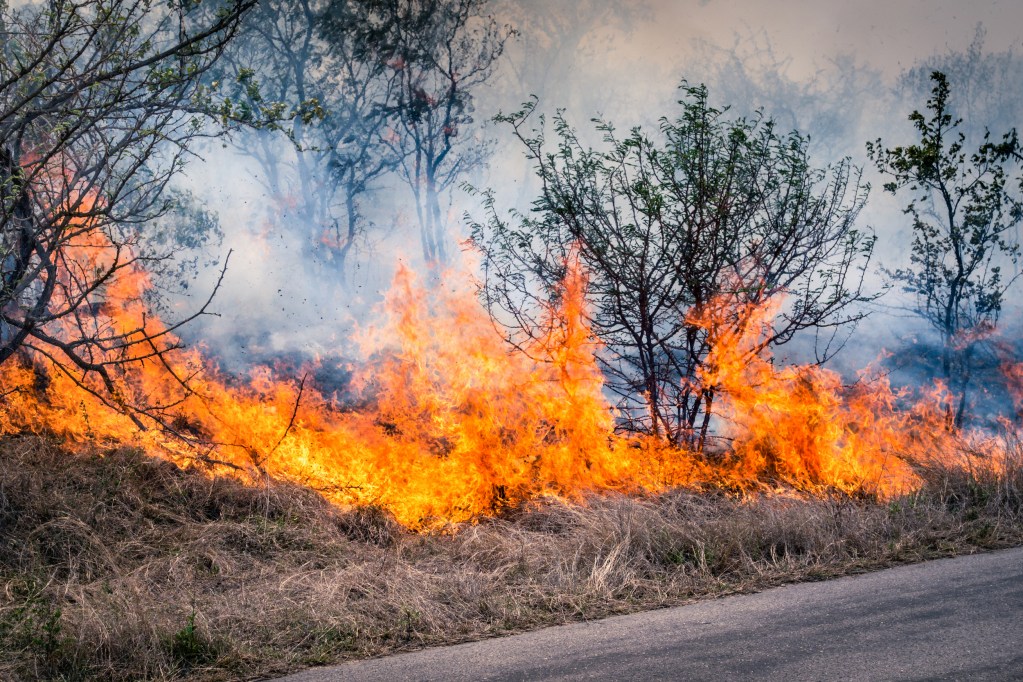
Bushfire Preparedness: Defending Against the Flames
In bushfire-prone areas, preparation can literally mean the difference between survival and disaster. Bushfires can spread at incredible speeds, leaving little time to act, so planning ahead is essential.
- Property Protection: Create a defensible space around your property by clearing flammable vegetation, installing sprinkler systems, and using fire-resistant materials where possible.
- Emergency Plan: Develop a bushfire survival plan, which should outline evacuation routes, communication strategies, and designated safe locations. Make sure all family members or staff know their roles.
- Early Warning Systems: Install apps that provide real-time bushfire alerts and regularly check fire danger ratings. Staying informed can give you the precious minutes you need to evacuate safely.
- Insurance Review: Confirm you have appropriate coverage for bushfire damage, and understand what’s included and what isn’t. Keep your insurer’s details easily accessible.
To help guide your preparation, search for “bushfire defensible space requirements Australia” and “real-time bushfire alerts Australia.
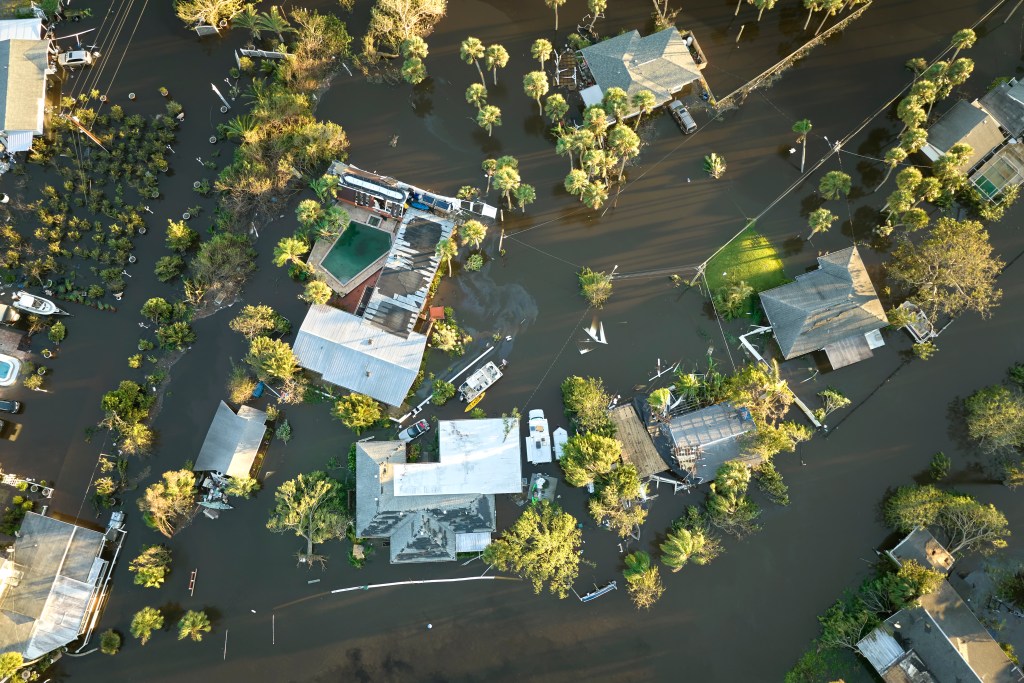
Recovery and Rebuilding: Planning for Life After Disaster
The work doesn’t end when the flames are out or the storm has passed. Having a well-defined recovery plan can make rebuilding easier and faster.
- Damage Assessment: Conduct a thorough inspection of your property to understand the full extent of the damage.
- Insurance Claims: Lodge your claims promptly, with clear documentation and photos where possible.
- Financial Assistance: Explore available government relief programs and financial support for affected individuals and businesses.
- Community Support: Tap into local community networks for practical assistance and emotional support during the recovery phase.
By thinking about recovery ahead of time, you’ll be able to act quickly, which can make a significant difference in how long it takes to get back on your feet.
Task | Cyclone Preparedness | Bushfire Preparedness |
Risk Assessment | ✓ | ✓ |
Evacuation Plan | ✓ | ✓ |
Emergency Kit (72 hours | ✓ | ✓ |
Building Reinforcement | ✓ | ✓ |
Insurance Review | ✓ | ✓ |
Communication Plan | ✓ | ✓ |
Community Connections | ✓ | ✓ |
Backup Power | ✓ | ✓ |
Data Backup | ✓ | ✓ |
Regular Maintenance | ✓ | ✓ |
Emergency Contact List | ✓ | ✓ |
Personal / precious belongings ‘Go Bag’ | ✓ | ✓ |
Post-Disaster Plan | ✓ | ✓ |
Conclusion
Whether you live in a cyclone-prone coastal town or a bushfire-prone rural area, adopting a risk-based approach is the most effective way to protect your home, your business, and your loved ones. By understanding your specific risk profile, taking targeted mitigation steps, and preparing for both disaster response and recovery, you can significantly improve your resilience.
The reality of living in Australia is that natural disasters are inevitable, but the damage they cause doesn’t have to be. With careful planning and proactive action, you can weather the storm and emerge stronger on the other side.
If you need tailored advice to create a disaster preparedness plan for your business, reach out to our team today.